


![Crossfire.[br][em]The MX Standard.[/em]](http://www.btosports.com/cdn/shop/files/Sidi_2f52e834-d002-434a-be1b-ef0fba2edb7c.png?format=webp&v=1778197235&width=400)
![Crossfire.[br][em]The MX Standard.[/em]](http://www.btosports.com/cdn/shop/files/Sidi_b.png?format=webp&v=1778197860&width=300)
Sidi Motocross Boots: Crossfire 3 SRS, Crossfire 3 TA, Atojo SRS, X-3 Off-Road & Enduro Boots Made in Italy | BTO Sports
Crossfire.
The MX Standard.
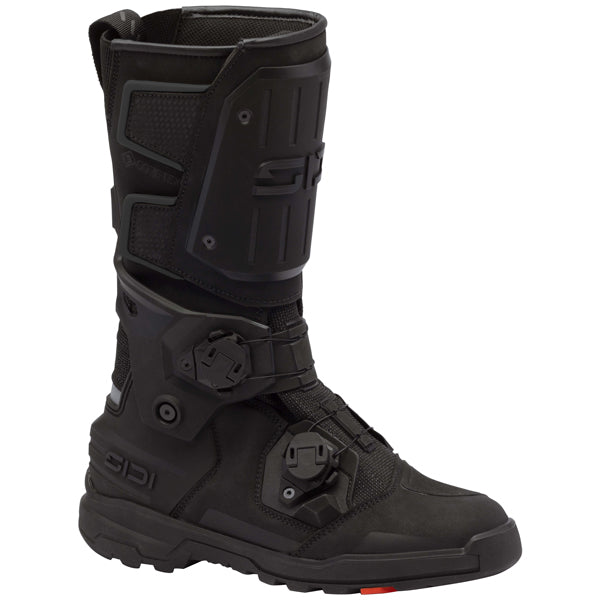
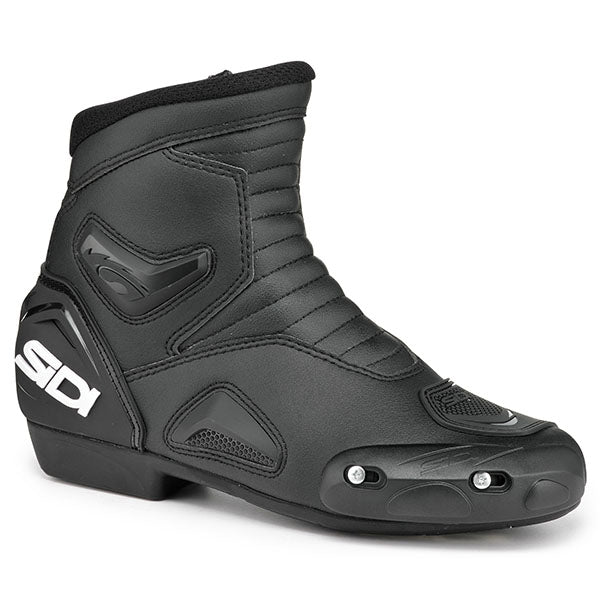
Sidi was founded in 1960 in Maser, Italy, by Dino Signori, a craftsman whose initials became the brand name, and the company has been building motorcycle footwear there for over 60 years. What separates Sidi from almost every other boot brand is their replaceable parts system: buckles, inner plates, shin plates, and soles can all be swapped out with a screwdriver, which means a well-maintained pair of Crossfire boots can last years beyond what bonded-construction competitors offer. At BTO Sports, we carry the Crossfire 3 SRS, Crossfire 3 TA, Atojo SRS, and select X-3 models.


Featured Products
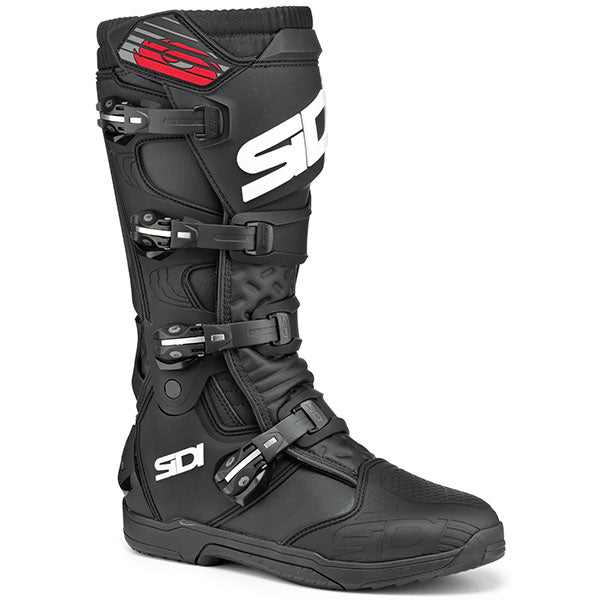

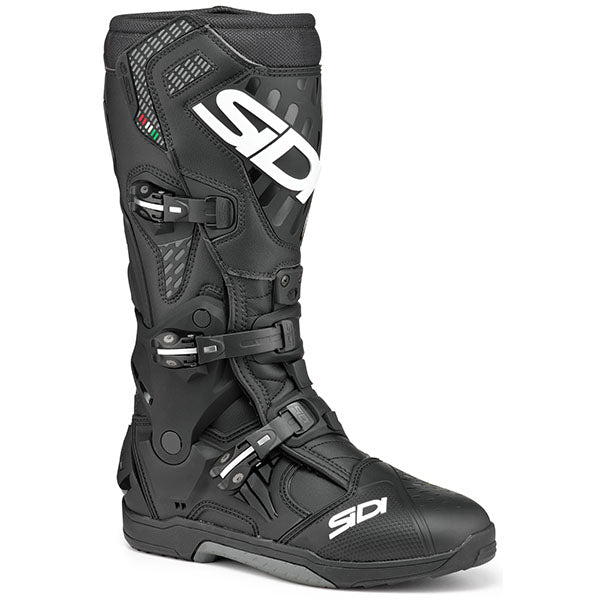

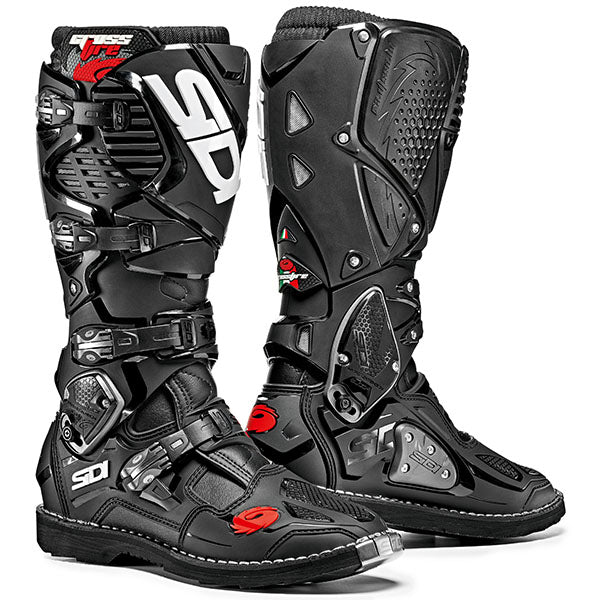

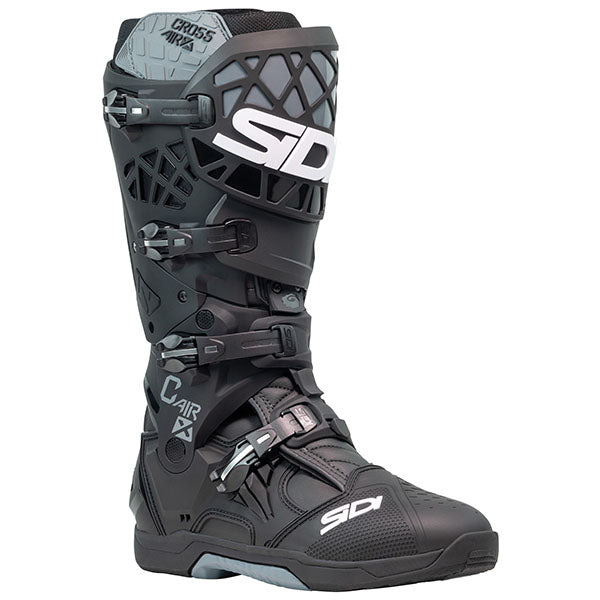
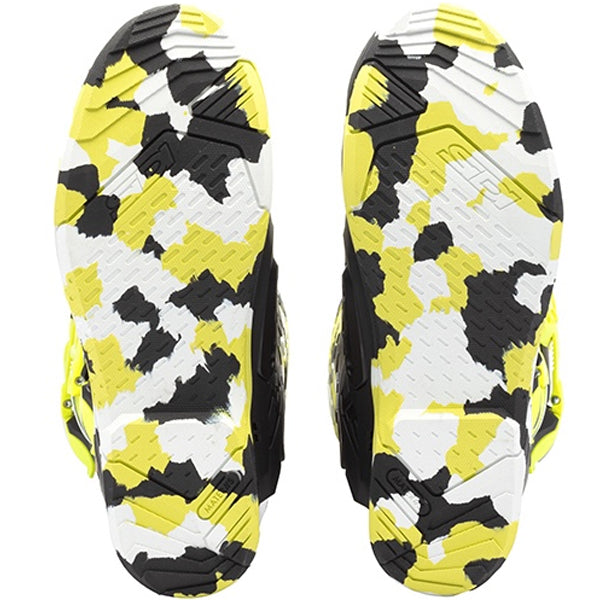
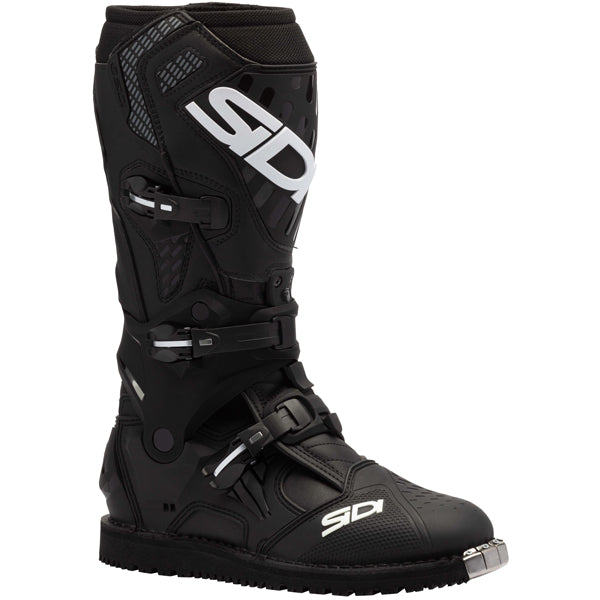
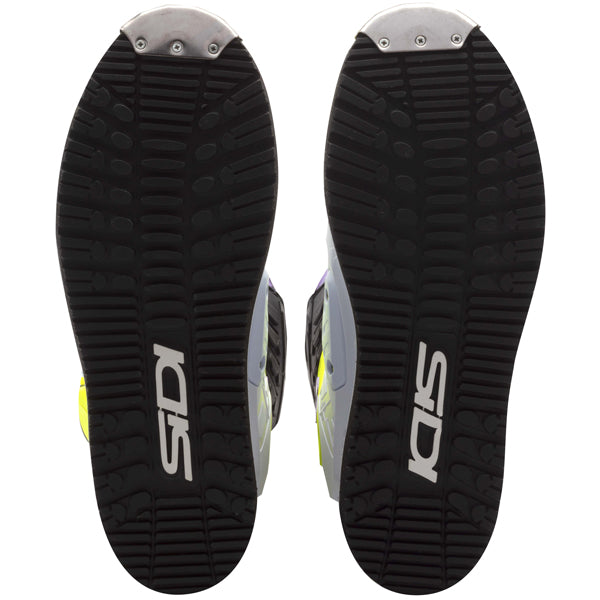
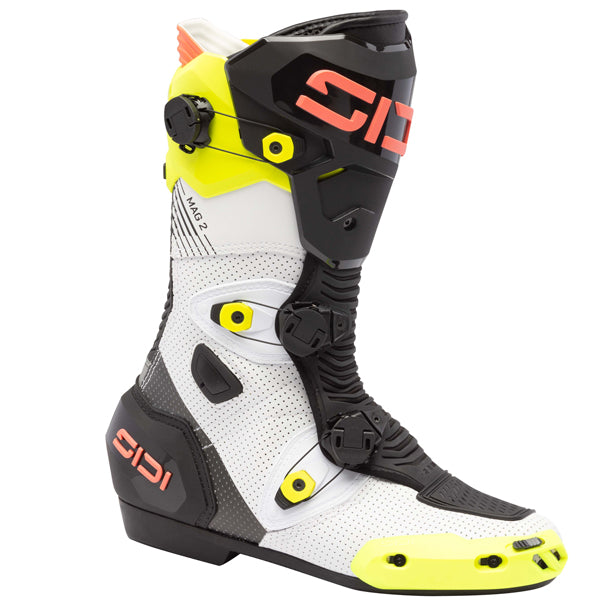

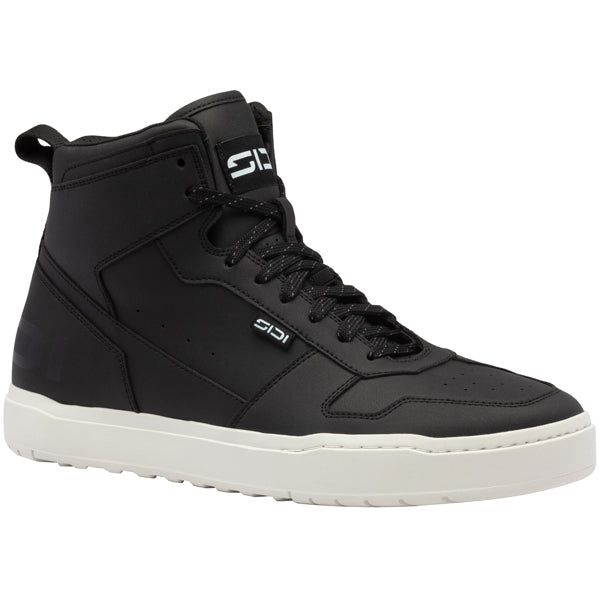
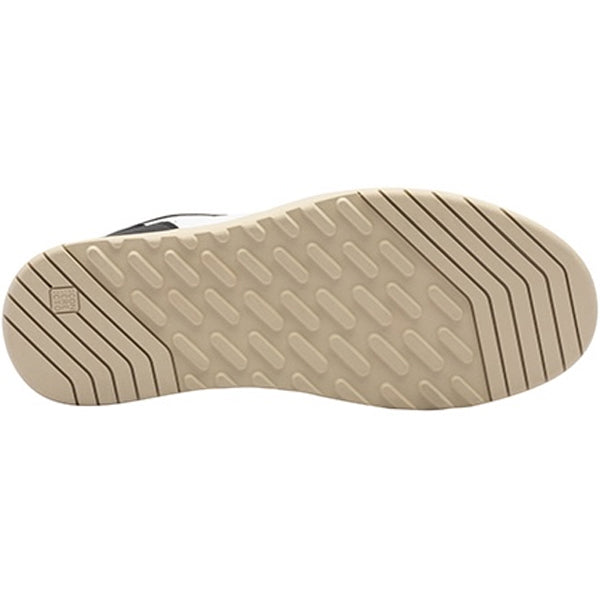
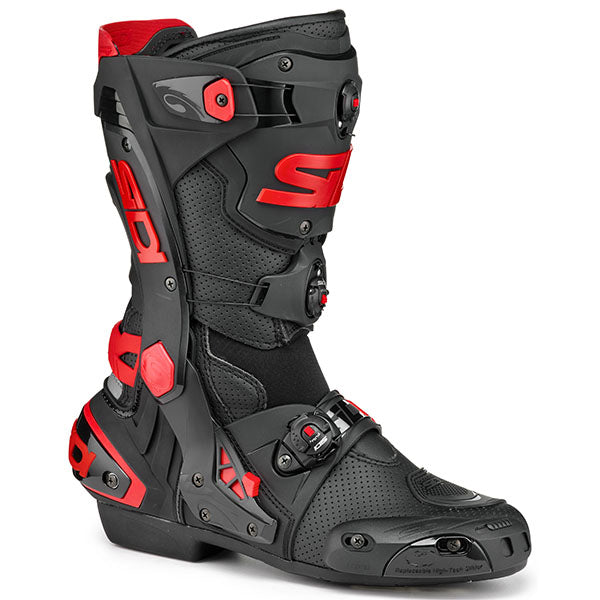
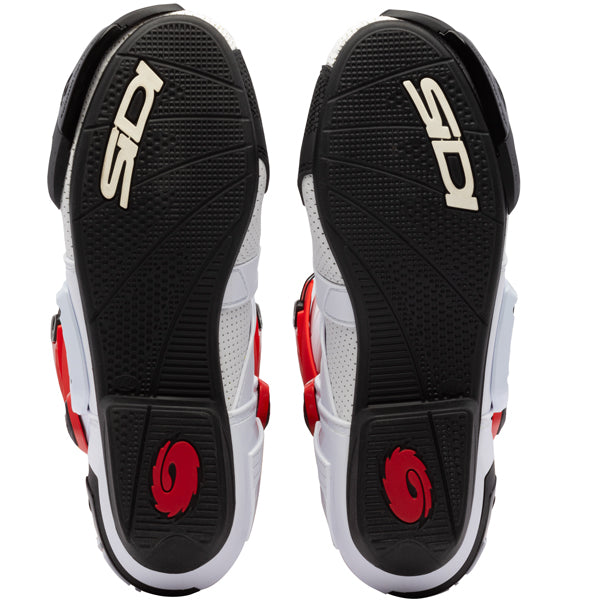


Why we like Sidi
Sidi has been winning world championships since before most motocross brands existed, and the Crossfire 3 is the clearest example of what 60 years of boot development looks like. The dual-sided pivot hinge controls hyperextension and hyperflexion from both sides of the ankle, which is more protection than most boots offer on just one side. The SRS sole system swaps in minutes without a trip to a cobbler. The Atojo SRS addressed the long-standing complaint about Sidi's narrow toe box by building a wider fit that still feels like a proper Italian boot. Romain Febvre won the 2025 MXGP World Championship in Sidi, and Malcolm Stewart races them in Supercross. The replaceable buckles mean a dropped bike or a rock strike does not end the life of a $500 boot. That parts ecosystem is the single best argument for Sidi over anything in the same price range.
FAQ
-
The Crossfire 3 SRS is the standard flagship with four buckles, the dual-sided hyperextension pivot, and the SRS replaceable sole system. The Crossfire 3 TA is a wider-fit version of the same boot designed for riders who need more room in the toe box and forefoot while keeping the same core construction and hardware. The Atojo SRS is a newer three-buckle design with a lighter build, a wider toe box from the ground up, and a more modern comfort-focused fit. Riders who have found earlier Sidi models narrow often prefer the Atojo because the width is built into the last rather than being a modified version of the standard fit.
-
Sidi boots generally run true to EU size for riders with average-width feet. Riders with wider feet have historically needed to go up half a size or choose the TA variant or the Atojo SRS, which offers more forefoot room. The SRS version fits slightly snug in the toe box with standard width. If you are between sizes or have a wider foot, we recommend measuring your foot length in centimeters and matching to the Sidi size chart rather than converting from your US shoe size, as the conversion is not always clean.
-
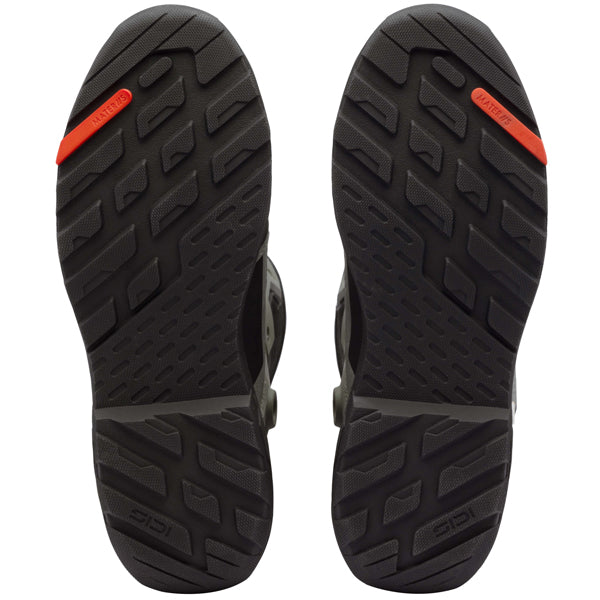
Every major component on a Sidi boot is designed to be replaced: the buckles, the inner calf plate, the shin guard plate, and the SRS sole all attach with screws rather than adhesive. When a buckle breaks from a crash or a sole wears through, you buy the replacement part and swap it yourself in a few minutes. This is the opposite of bonded-sole boots from other brands, which are done when the rubber wears out or a component fails. A pair of Crossfire 3 boots that is maintained properly can last multiple seasons longer than a non-rebuildable competitor, which changes the price-to-value calculation significantly.
-
The Tech 10 is stiffer and prioritizes maximum structural support with an inner ankle brace system, but it requires a break-in period and uses a bonded sole. Sidi's Crossfire 3 is more flexible, breaks in from the first ride, and offers the replaceable sole advantage the Tech 10 does not. The Gaerne SG-22 competes directly with Sidi on craftsmanship and the Goodyear Welted resoleable sole, with Gaerne being slightly roomier in the fit. Sidi edges ahead on the replaceable buckle system and lighter overall weight. Both are better long-term investments than bonded boots at similar price points.
-
Yes. The X-3 is Sidi's enduro-focused boot and is available in standard and SRS versions with a design tuned for technical off-road and cross-country riding rather than pure motocross. It is more walkable off the bike than the Crossfire 3 while still offering real ankle protection. Sidi also produces adventure and dual-sport footwear. For riders who split time between the track and the trail, the X-3 is the more versatile option.
-
Sidi has sponsored world champions across motocross and enduro for decades. Antonio Cairoli wore Sidi throughout his nine MXGP World Championships. Romain Febvre won the 2025 MXGP title in Sidi. Simon Längenfelder took the 2025 MX2 World Championship in Sidi boots. In the AMA, Malcolm Stewart races Sidi in Supercross and Pro Motocross. The brand is also widely used by enduro and hard enduro athletes including Colton Haaker and Kailub Russell.
-
Yes, more so than most stiff premium boots. The Crossfire 3 and Atojo SRS are both known for being comfortable from the first ride without the extended break-in period that some competitors require. The Atojo SRS in particular receives consistent praise for its out-of-box comfort. Riders switching from stiffer boots are often surprised at how quickly Sidi feels like a boot they have been wearing for a season.
-
Yes. Sidi replacement buckles, straps, inner plates, and SRS soles are available and stocked at BTO Sports. This is a key reason to choose Sidi: the parts supply is established, parts are inexpensive relative to the cost of a new boot, and the installation process requires only basic tools. If you have a pair of Sidi boots and a buckle breaks, reach out to our team and we can get you the right replacement part quickly.