


6D Helmets: ATR-3, ATR-2, ATR-1, ATR-3Y Youth, ATR-2Y Youth Off-Road Motocross Helmets with Omni-Directional Suspension Technology | BTO Sports
Suspension
For Your Head
6D Helmets was founded in 2011 by Bob Weber and Robert Reisinger with one goal: build a motocross helmet that actually reduces the angular energy that causes brain injuries, not just one that absorbs linear impact. Their answer was ODS, Omni-Directional Suspension, a floating inner liner system that manages energy across all impact angles. At BTO Sports, we carry the full 6D lineup including the ATR-3, ATR-2, and ATR-1 for adults, and the ATR-3Y and ATR-2Y for youth riders.
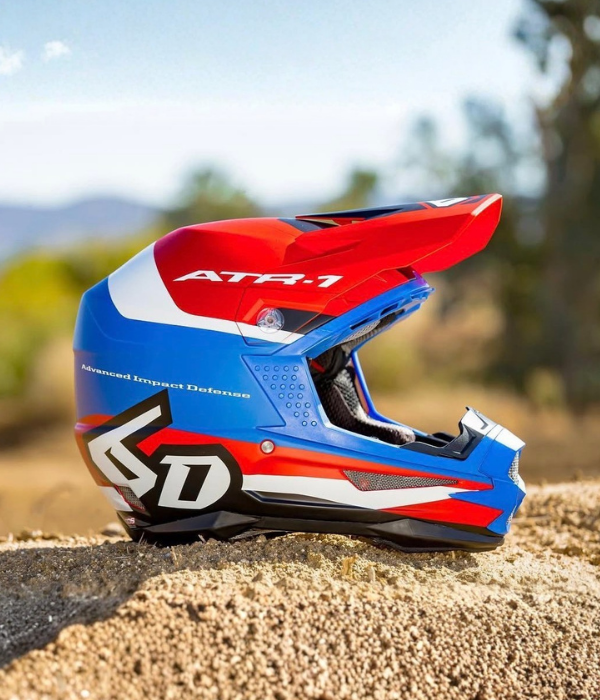
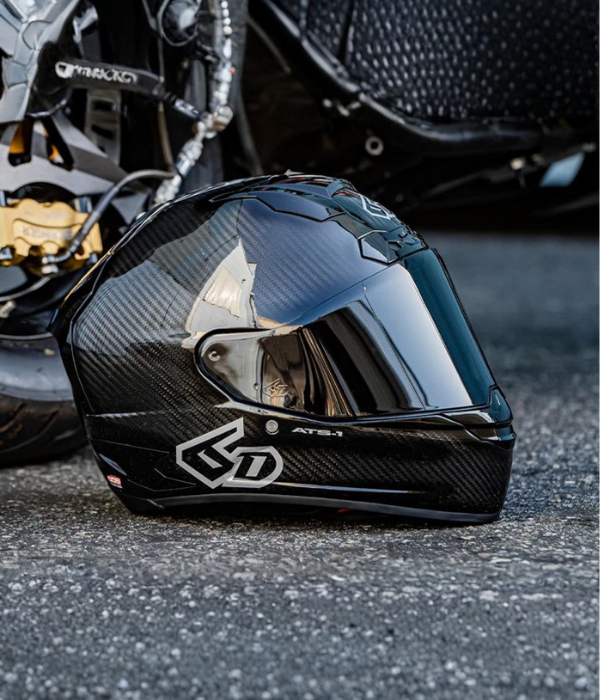
Featured Products






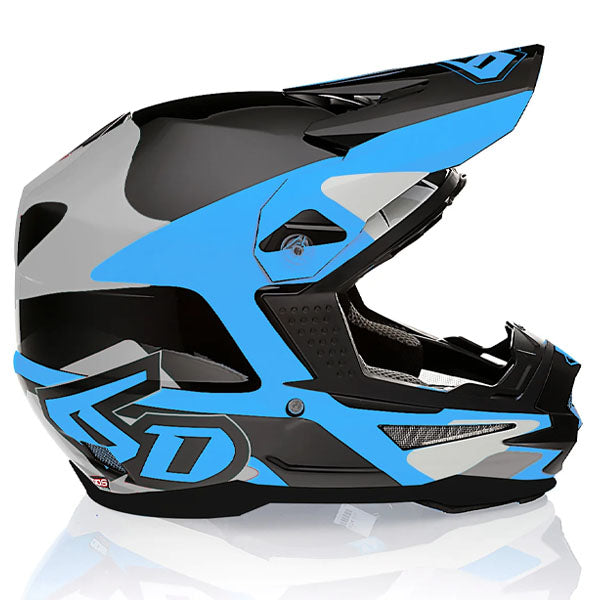
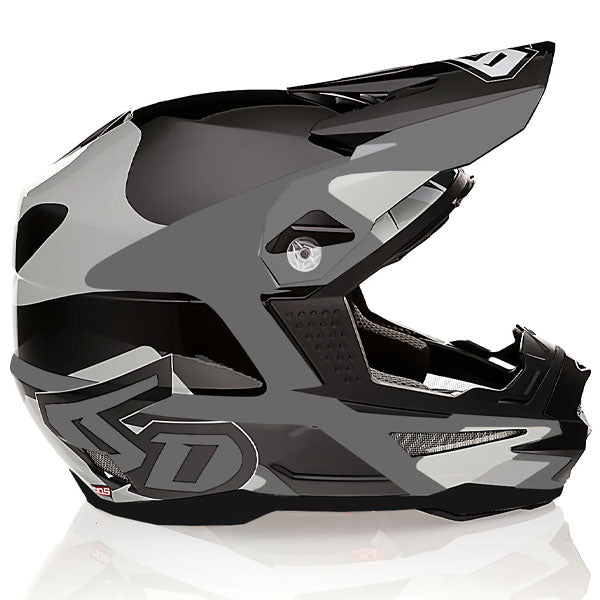

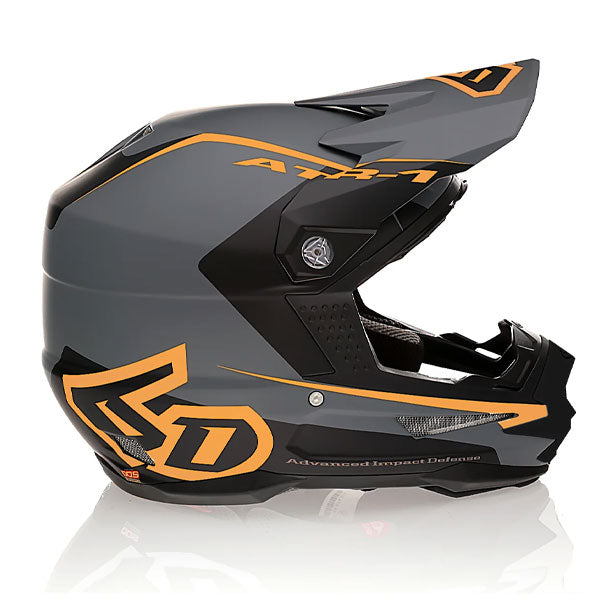
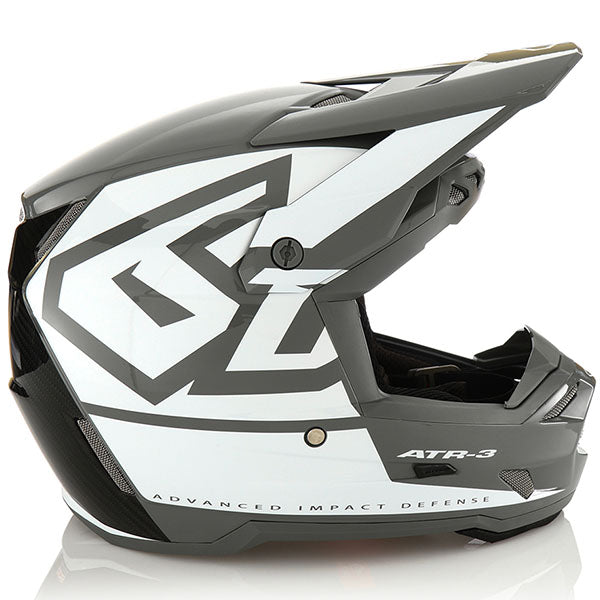

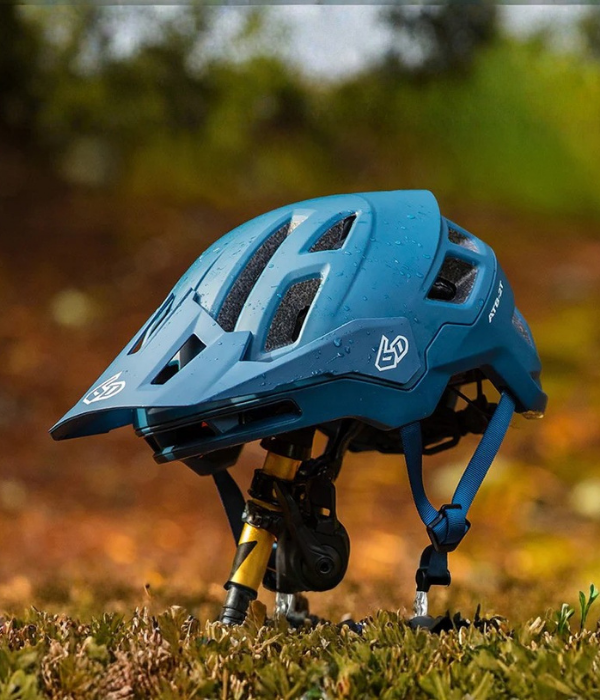
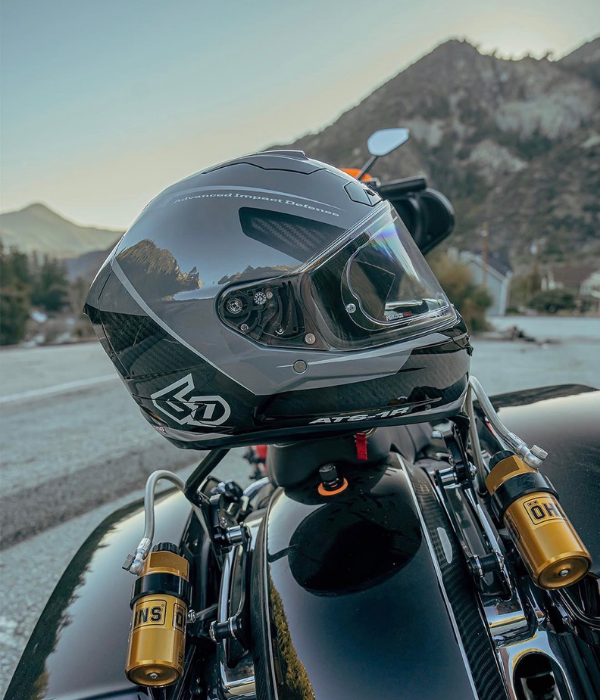
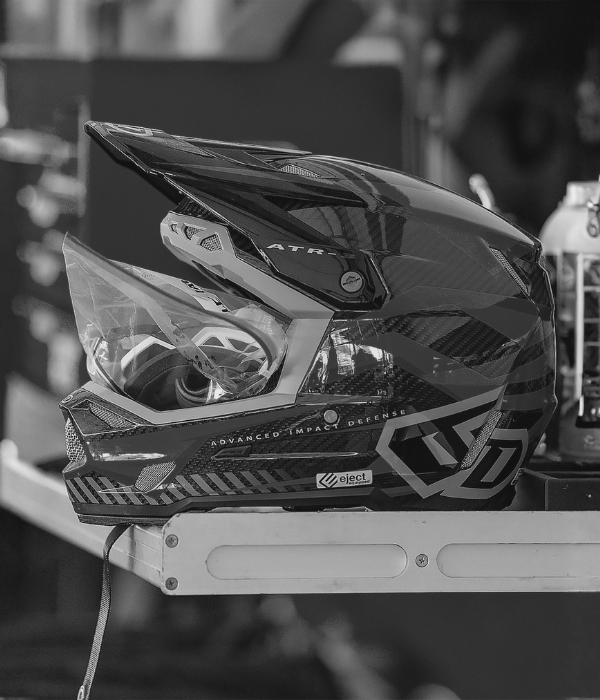
Why we like 6D Helmets
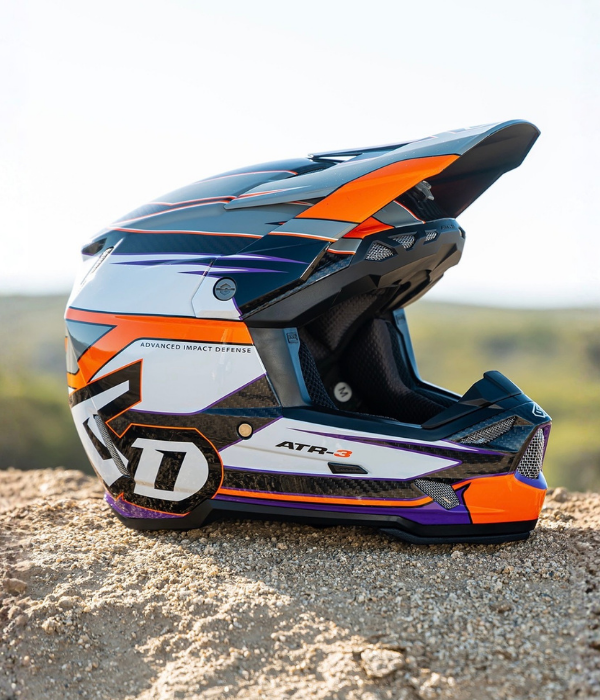
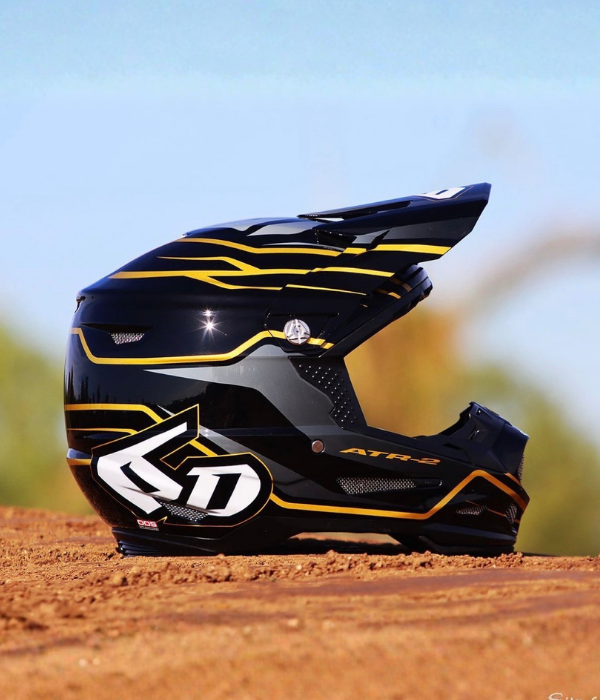
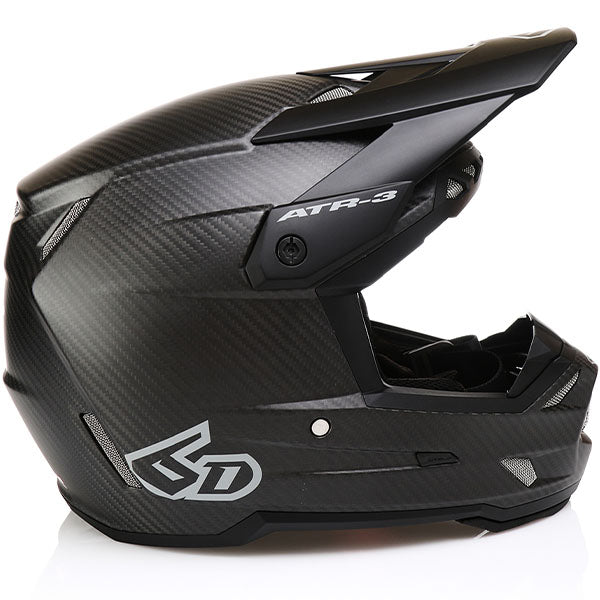
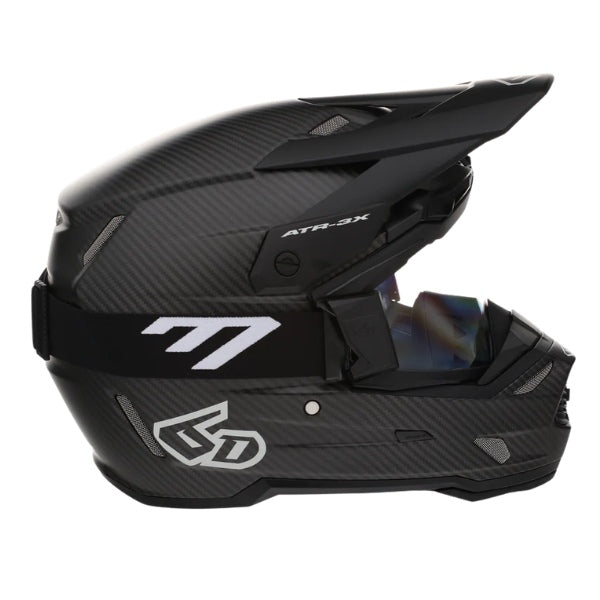
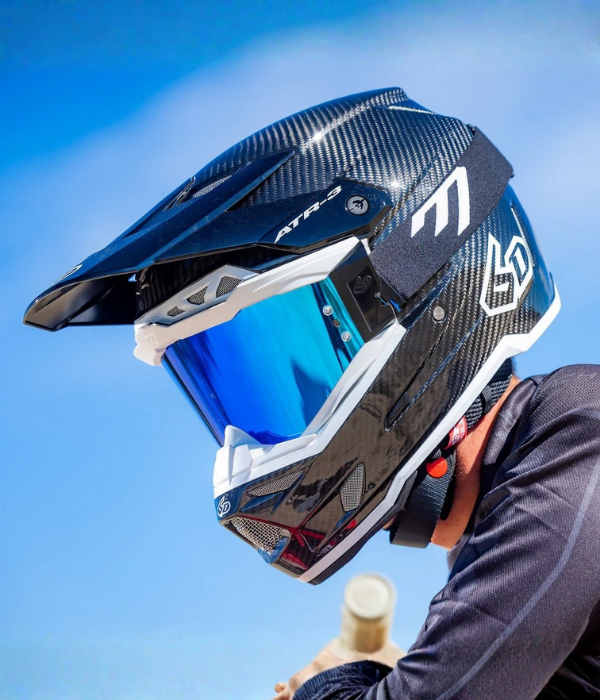
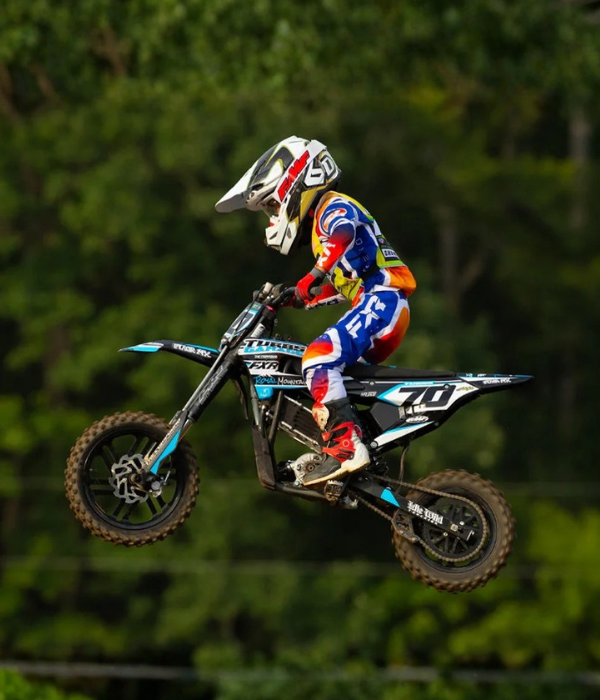
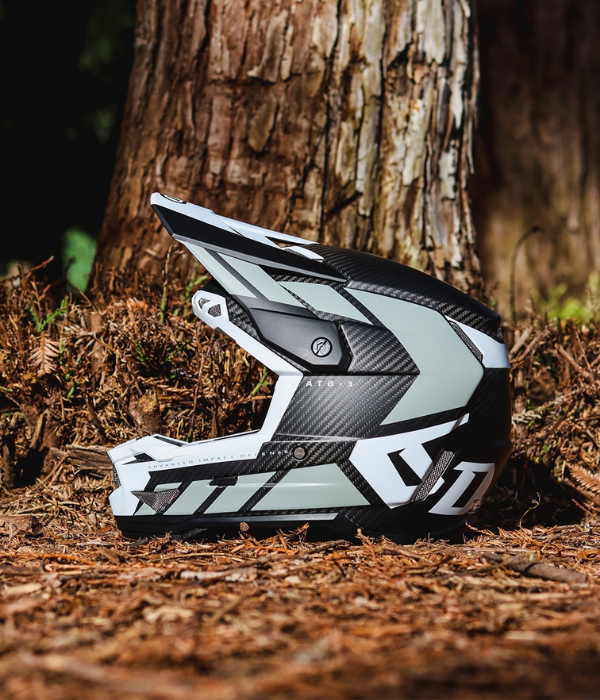
6D built their entire company around one idea: that traditional foam-only helmets were not doing enough. The ODS system is a fully active suspension inside the helmet shell, and it performs differently than anything else in motocross. The ATR-3 is the current flagship, lighter than the ATR-2, with redesigned airflow, a removable roost guard, magnetic chin strap, and fifth-generation ODS elastomers. The ATR-3 Solid is our top-selling 6D helmet and the most straightforward entry point into the lineup. For riders who want the same ODS technology at a lower price, the ATR-2 and ATR-1 are still in our inventory and remain legitimate helmets by any standard. The youth lineup is a genuine reason to buy 6D at any age: the ATR-3Y and ATR-2Y bring the same suspension system to smaller shells so younger riders get the same protection engineering, not a watered-down version. 6D also won the NFL Head Health Challenge, which is not a small thing. The ODS elastomers can be rebuilt after a crash for around $150, making any 6D helmet a long-term investment rather than a one-crash throwaway.
FAQ
-
The ATR-3 is the current flagship with fifth-generation ODS technology, a new 3K carbon composite shell, redesigned ventilation, a removable roost guard, and a magnetic chin strap clasp. It is the lightest and most refined version of the lineup. The ATR-2 uses the same ODS platform in a previous-generation shell that many riders still prefer for its fit and availability at a lower price point. The ATR-1 is the original ODS helmet and remains a valid option for riders who want active suspension technology without the ATR-2 or ATR-3 price. All three exceed DOT certification and offer the same fundamental ODS protection advantage over standard foam helmets.
-
6D helmets run true to size or slightly generous, so if you are between two sizes go down. When you first try one on it should feel slightly snug because the liner will break in and loosen over time. A helmet that fits perfectly on day one will feel loose after a season of riding. The fit profile on 6D runs slightly more oblong than Bell, which skews rounder. Riders with a longer front-to-back head shape typically find 6D fits well, while riders with a very round head may want to try before committing.
-
ODS stands for Omni-Directional Suspension. It is an active inner suspension system that uses elastomers to allow the inner liner to move independently from the outer shell during an impact. This addresses both linear and angular acceleration forces, where angular acceleration is the rotational energy linked to concussions and serious brain injury. Traditional EPS foam helmets only manage linear impacts. Every 6D helmet, including youth models, uses ODS. The ATR-3 runs the fifth-generation version refined over more than a decade of development.
-
Yes, and the youth lineup is one of the strongest arguments for 6D at any price point. The ATR-3Y and ATR-2Y are purpose-built youth helmets with ODS technology built into smaller shells, so younger riders get the same active suspension protection as the adult lineup. Most helmet brands offer youth versions that are simply scaled-down adult helmets with standard foam liners. 6D youth helmets include the same elastomer suspension system, which is a meaningful difference for families who take helmet safety seriously.
-
All three are legitimate premium helmets. Bell's Moto-10 uses their Flex technology and has a rounder fit profile that works better for some head shapes. Troy Lee's D4 Carbon is one of the lightest helmets in the market and carries strong brand heritage. 6D differentiates by being the only brand whose entire identity is built around active suspension engineering rather than advanced foam or lightweight construction. If brain injury prevention is the top priority and you want the most technical protection system available in an off-road helmet, 6D is the purpose-built answer.
-
Yes. After any significant impact the ODS elastomers should be inspected and replaced. 6D offers a rebuild service for around $150 that restores the helmet to full protection spec. This is a major advantage over competitors whose helmets must be fully replaced after a hard impact. The ATR-3 carries a three-year limited warranty and 6D's rebuild program extends the useful life of the helmet beyond what a single crash would end with most other brands.
-
The ATR-3 Solid is the base colorway of the ATR-3, offered in clean single-color finishes without graphic overlays. It is the most popular 6D helmet we sell at BTO Sports. The Solid works as a neutral option that pairs well with any gear colorway, and the price is consistent across the lineup since there is no graphic premium added. Riders who want the full ATR-3 performance package without committing to a specific colorway scheme find it the easiest choice.
-
The ATR-3 meets DOT, ECE 22-06, FIM 02, and ACU certification standards. ECE 22-06 is the current European standard and is widely considered more rigorous than DOT alone. FIM 02 is the international motorcycle federation standard required for many sanctioned events globally. Holding all four certifications makes the ATR-3 one of the most broadly approved helmets in motocross for domestic amateur racing, professional events, and international competition.